We didn't build a Utah, UT presence by opening one office and hoping the drive times worked out. Crews are staged where the call volume actually is, metro by metro.
Call +1-844-578-1604
No single-office bottleneck statewide
Flat-rate quote before any equipment runs
IICRC-certified technicians on every truck

Technicians working under our Utah, UT banner carry the same IICRC certifications and hold to the same documentation standard no matter which region of the state they cover.
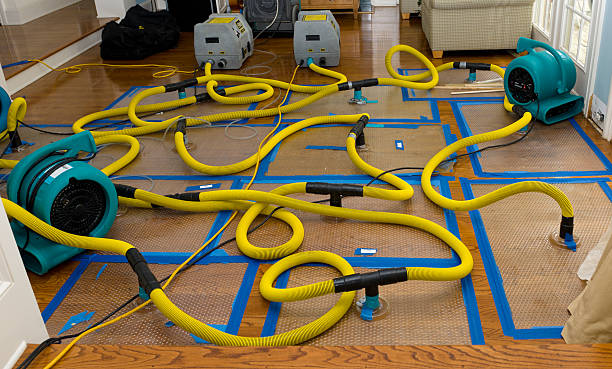
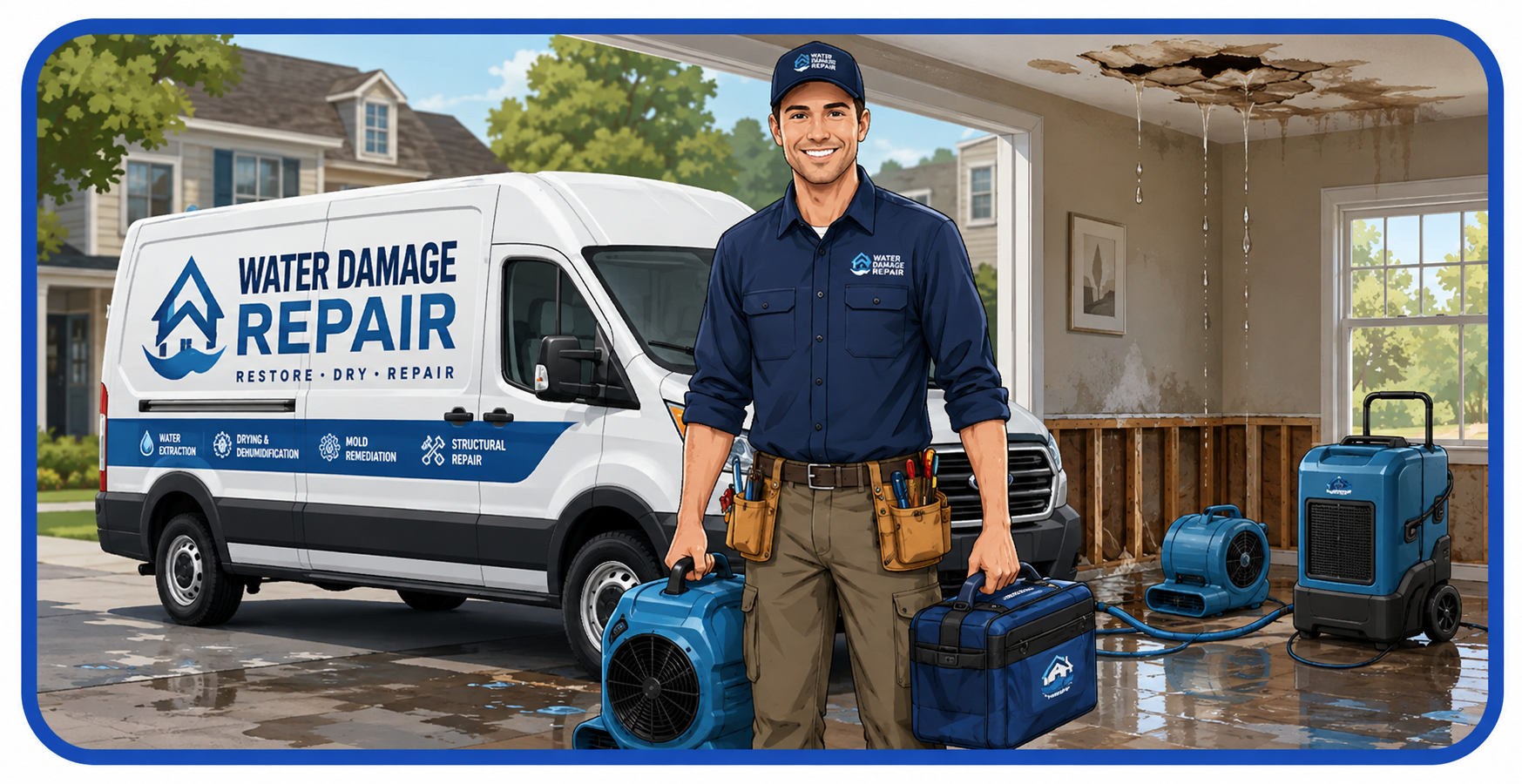
Every truck operating in Utah, UT carries moisture meters, thermal cameras, and dehumidification equipment scaled for both residential and light commercial jobs.
Ongoing training matters more to us than a certificate on the wall — drying standards and equipment change, and our crews train against the current standard, not the one from five years ago.
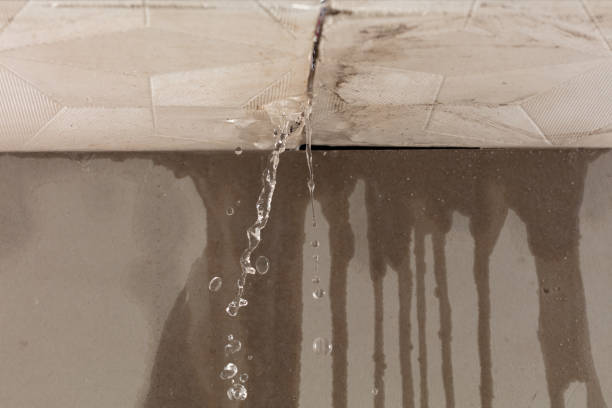
Water damage rarely starts as a dramatic flood — it usually starts small, and these are the signs worth acting on before the damage spreads further.
Fresh paint over an old stain can hide the problem visually for a month or two, right up until the drywall paper backing gives out.
A smell that gets stronger after rain is a strong hint that groundwater or a foundation crack is letting moisture in during wet weather.
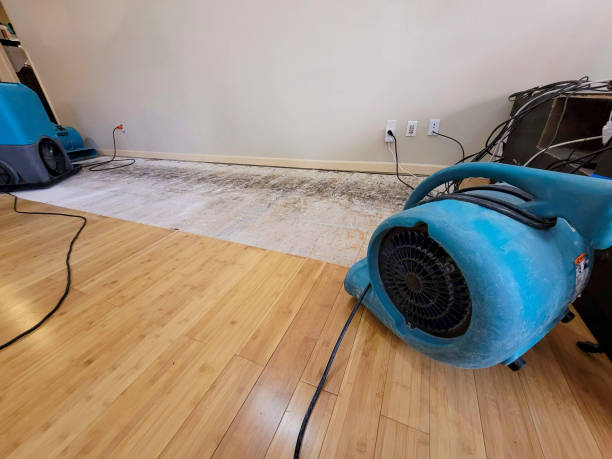
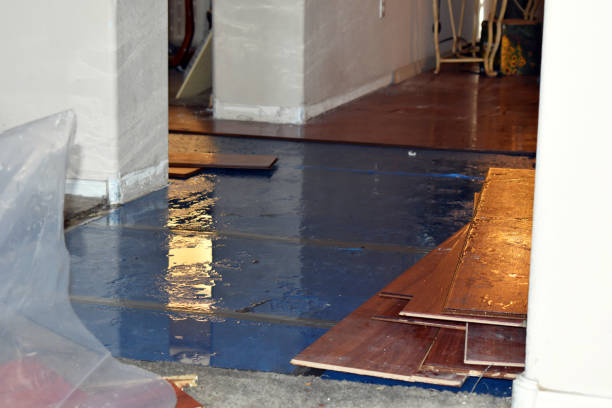
Hardwood cupping at the edges, laminate lifting at the seams, or carpet that stays spongy days after you last noticed water — all three point to moisture sitting against the subfloor.
Catching a hidden leak through the water bill is far cheaper than waiting for it to surface as a flooded room.
Bubbling paint near a baseboard or exterior wall usually means moisture is pushing through from behind rather than a simple application defect.
Mold that returns after a bleach cleaning is a sign the moisture source behind it was never actually addressed.
Catching two or more of these signs at once usually means it's past time for a proper inspection.
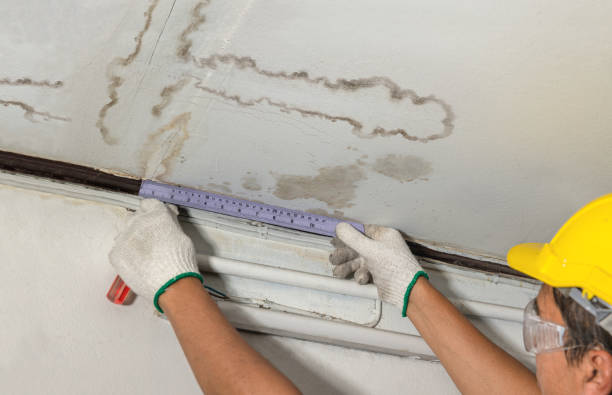
Treating Ceiling Water Damage Repair as a single continuous job, rather than a series of handoffs, is what keeps timelines shorter and documentation consistent.
The equipment on our trucks scales up or down to the job, but the process — assess, extract, dry, verify, repair — doesn't change.
We treat extraction speed as the single biggest variable we control — every additional hour of standing water raises the odds of secondary damage.
Daily drying logs track humidity and surface moisture at every checkpoint, giving you documented proof of progress instead of a verbal 'it's getting there.'
Materials that had direct contact with contaminated water almost always come out rather than get dried in place — that's a safety call, not a cost-cutting one.
We treat the 48-hour mold window as a deadline for our own drying timeline, not a talking point.
One contract from extraction through reconstruction means you're not managing two separate companies and two separate invoices.
Furniture, electronics, and documents get assessed on-site, with salvageable items cleaned and stored while the space dries.


This is the same sequence every job follows, whether it's a single flooded room or a full commercial loss.
Dispatch gathers just enough detail to load the right equipment before the truck leaves the lot.
Skipping or rushing this step is how hidden moisture pockets turn into a mold problem months down the line.
Extraction and drying run as one continuous process rather than two separate scheduled visits.
Every affected area gets re-tested before we call the job complete — no shortcuts on the sign-off.
We built the checklist below around the actual complaints people have about restoration companies in general, then made sure Aqua Guard Water Damage doesn't repeat them.
Licensing and insurance aren't paperwork we keep in a drawer; they're what let us stand behind the work if something doesn't go as planned.
Regionally staged trucks mean a crew often arrives before a national chain's call center finishes the intake questionnaire.
The number we quote is the number you pay, regardless of how long the drying cycle runs.
Every job closes with a documented re-inspection, not a handshake and an invoice.
Every job closes with documented moisture verification, because a promise without data behind it isn't much of a promise.
This isn't marketing copy — it's the actual checklist our crews sign off against before a job is marked complete.
Call +1-844-578-1604From the largest Utah, UT metro down to smaller surrounding communities, coverage is built around actual call volume, not a single flagship city.
Statewide coverage means a homeowner two hours from our nearest hub still gets a response measured in tens of minutes.

"I've dealt with contractors before who talk a big game and disappear. The crew here in Utah, UT actually showed up on time and stayed in touch through the whole drying process."
Renee A., Utah, UT"A storm backed water into our finished basement and the crew classified it, extracted it, and had dehumidifiers running that same afternoon. The invoice matched the quote to the dollar."
Owen D., Utah, UT"Professional from the first call to the final walkthrough, and they re-tested moisture before closing the job instead of eyeballing it."
Fatima J., Utah, UT"Fast response and clear pricing, and they handled the back-and-forth with my insurance adjuster directly, which saved me a genuinely stressful week."
Lucas P., Utah, UT"We had a slow leak for weeks without noticing, and thermal imaging found moisture in a spot we never would have checked ourselves."
Grace T., Utah, UT"Working a commercial job around our business hours could have been a scheduling nightmare, but they made it simple."
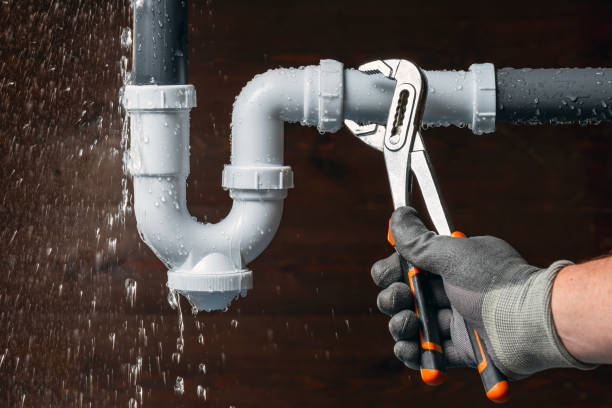
Nathaniel W., Utah, UT"A cracked supply line under our kitchen sink went unnoticed for days, and by the time we called, the subfloor was saturated. They only replaced what actually tested wet, not the whole floor."
Bianca H., Utah, UT"Storm runoff got into our crawl space and the smell alone told us something was wrong. They found a failed vapor barrier and fixed the actual cause during the same visit."
Derek S., Utah, UT"They found the actual source of the leak instead of just drying the surface damage, which saved us from the same problem happening again in a month."
Melissa C., Utah, UT"Being out of town when it happened was stressful enough — having a crew that could work directly with our property manager made it manageable."
Victor N., Utah, UT